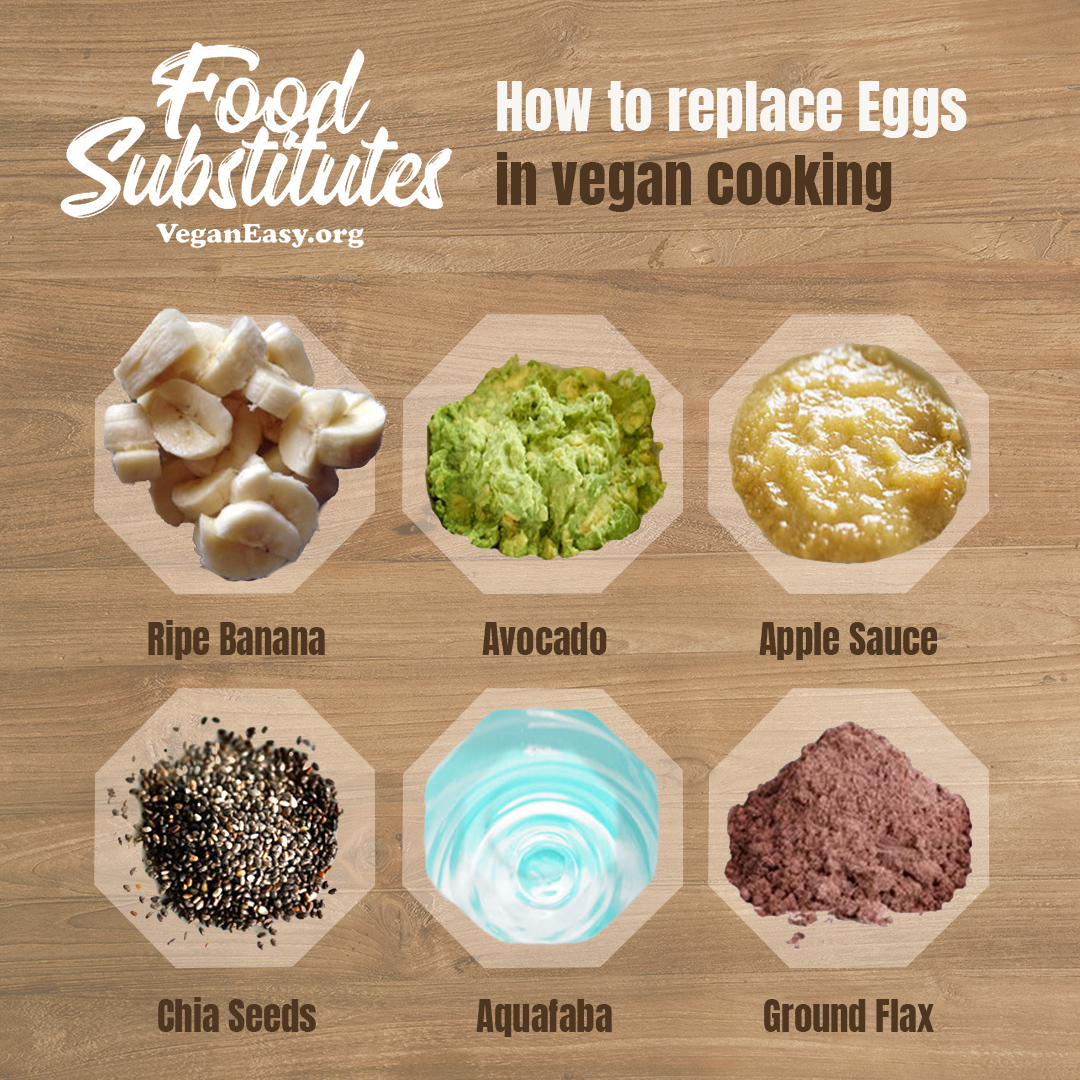
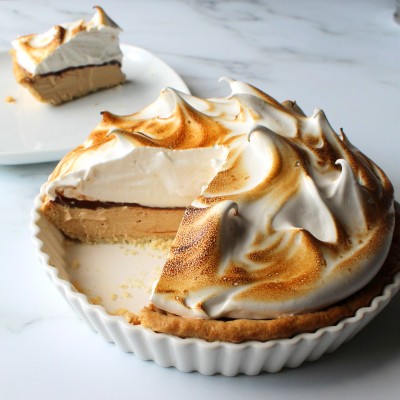
Eggs are traditionally used in cooking and baking for three main reasons: binding ingredients together, helping baked goods rise, and adding moisture. Replacing them with 100% plant-based alternatives is incredibly simple once you know which substitute matches your recipe’s needs.
Use this ultimate guide to find the perfect plant-based egg swap for baking, cooking, and savoury meals.
Quick-Reference Egg Replacement Table
(Scroll left and right to see more on mobile)
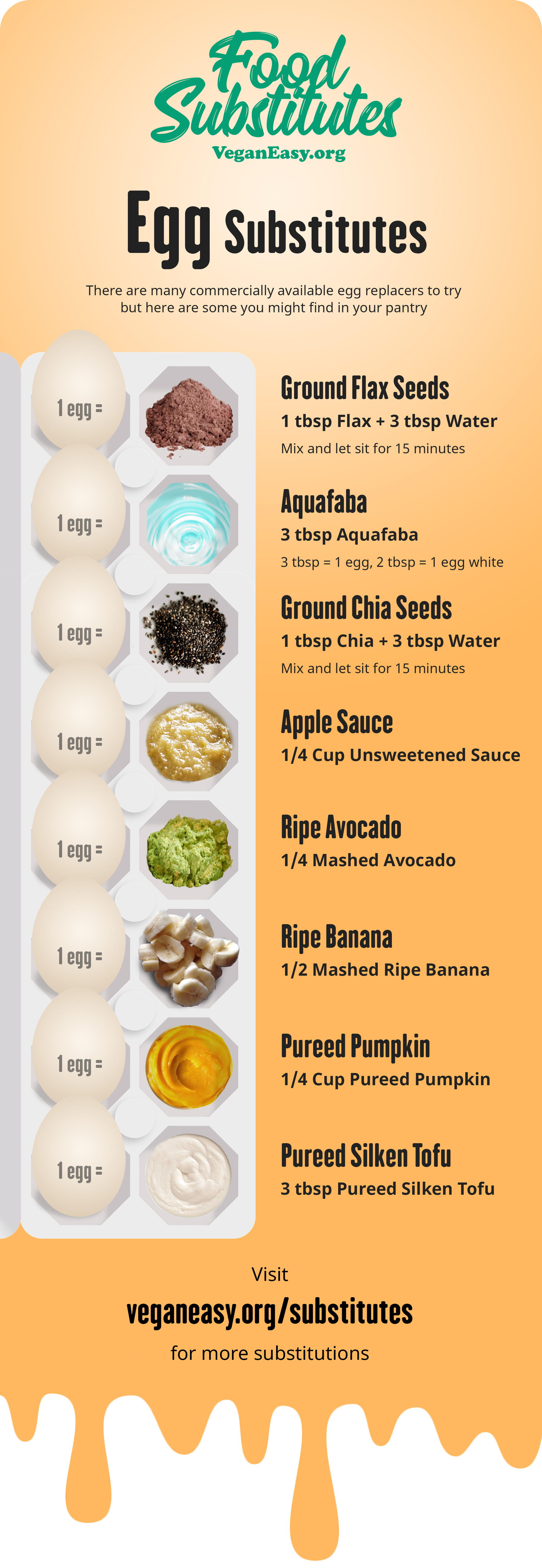
| Culinary Goal | Best Substitute | Conversion Ratio (Replaces 1 Egg) | Ideal For |
| Binding & Structure | Flax Egg (Ground Flax + Water) | 1 Tbsp ground flaxseed + 3 Tbsp water (let sit 5 mins) | Brownies, biscuits, cookies, muffins, quick breads, burger patties |
| Binding & Structure | Chia Egg (Chia Seeds + Water) | 1 Tbsp chia seeds + 3 Tbsp water (let sit 5 mins) | Brownies, muffins, waffles, rustic cakes |
| Moisture & Density | Applesauce or Pureed Pumpkin (both unsweetened) | ¼ cup applesauce or pureed pumpkin | Brownies, cookies, cupcakes, muffins, sweet breads |
| Moisture & Density | Mashed Banana | ¼ cup mashed ripe banana | Pancakes, banana bread, dense cakes, sweet bread & muffins |
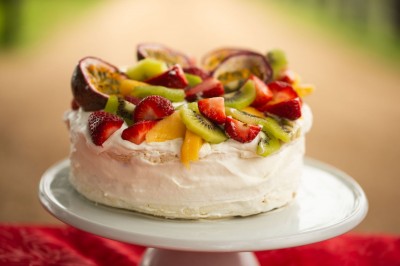
| Fluffiness & Leavening | Aquafaba (Unsalted Chickpea Brine) | 3 Tbsp aquafaba | Meringues, chocolate mousse, icings & frostings, macarons, light cakes, pavlova |
| Fluffiness & Leavening | Baking Soda & Vinegar | 1 tsp baking soda + 1 Tbsp apple cider vinegar | Fluffy cakes, cupcakes, quick breads |
| Richness & Texture | Silken Tofu | ¼ cup blended silken tofu | Custards, quiches, cheesecakes, pies, pound cakes |
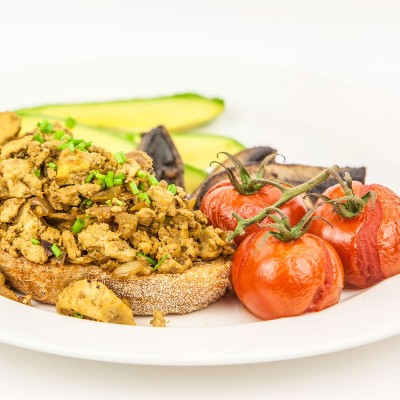
| Savoury Dishes | Firm Tofu | Crumble & marinate or use directly | Scrambled “eggs”, breakfast burritos, curried “egg” salad sandwich |
| Savoury Dishes | Chickpea Flour (Besan Flour) | 3 Tbsp besan flour + 3 Tbsp water | Quiches, frittatas, omelettes, pies, scrambles, veggie patties |
Binding Substitutes
These options are perfect for cookies, brownies and veggie patties. They are rich in soluble fibre and healthy fats, allowing them to form a gel-like consistency that perfectly mimics the structural hold of an egg.
Ground Flaxseed (The “Flax Egg”)
- The Ratio: 1 tablespoon of ground flaxseed + 3 tablespoons of room temperature water. Stir and let sit for 5 minutes until thick.
- Best Used In: Oatmeal cookies, chocolate chip cookies, brownies, pancakes, and veggie burgers.
- Pro-Tip: Always use ground flaxseed (not whole) to ensure it absorbs water and binds properly.
Chia Seeds (The “Chia Egg”)
- The Ratio: 1 tablespoon of whole or ground chia seeds + 3 tablespoons of water. Let thicken for 5 to 10 minutes.
- Best Used In: Waffles, muffins, whole-grain breads, and rustic baking.
- Pro-Tip: Ground chia seeds yield a smoother texture if you want to avoid tiny seeds in your final baked goods.
Moisture & Density Substitutes
If you want to keep your baked goods soft, dense, and moist, these fruit purées work beautifully while adding a subtle natural sweetness. Ideal for cakes and sweet breads.
Unsweetened Applesauce
- The Ratio: ¼ cup of unsweetened applesauce.
- Best Used In: Muffins, brownies, chocolate cakes, and gingerbread.
- Pro-Tip: If using sweetened applesauce, reduce the overall sugar in your recipe slightly to maintain the correct sweetness balance.
Mashed Ripe Banana
- The Ratio: ¼ cup of thoroughly mashed ripe banana (about half a medium banana).
- Best Used In: Pancakes, waffles, banana bread, and fruit muffins.
- Pro-Tip: Bananas leave a distinct banana flavour in your bake. If you want a neutral flavour, opt for applesauce or pumpkin purée instead.
Mashed Avocado
- The Ratio: ¼ cup of thoroughly mashed avocado.
- Best Used In: Brownies, chocolate fudge cakes, quick breads, and muffins.
- Pro-Tip: Since avocado adds extra moisture and fat, you may need to reduce any additional oils or vegan butter in your recipe by 1–2 tablespoons.
Fluffiness & Leavening Substitutes
If your recipe needs to rise, trap air, or stay incredibly light, these options are essential for achieving that airy crumb. Perfect for cupcakes, meringues, light cakes and macarons.
Aquafaba (Chickpea Liquid)
- The Ratio: 3 tablespoons of the liquid drained from a can of unsalted chickpeas.
- Best Used In: Meringues, macarons, marshmallow fluff, chocolate mousse, and light sponge cakes.
- Pro-Tip: Whip it with a hand mixer, just like egg whites, for about 15 minutes. It can go from liquid to soft or stiff peaks with a tiny pinch of cream of tartar.
Baking Soda & Apple Cider Vinegar
- The Ratio: 1 teaspoon of baking soda + 1 tablespoon of apple cider vinegar (or white vinegar). Mix and add immediately to your wet batter.
- Best Used In: Fluffy vanilla or chocolate cakes, cupcakes, and quick breads.
- Pro-Tip: The chemical reaction between the acid and base produces carbon dioxide bubbles, making your cakes incredibly light and airy without changing the taste.
Savoury Replacements
When you aren’t just substituting eggs in a bake, but making the “egg” the star of the show, these ingredients provide delicious and nourishing meal options.
Crumbled Tofu
- The Ratio: ½ block of firm or extra-firm tofu, drained and crumbled by hand.
- Best Used In: Breakfast tofu scrambles, breakfast burritos, and fried rice.
- Pro-Tip: Season with a pinch of Kala Namak (black salt). This natural volcanic salt contains sulfur, which gives tofu an uncanny, authentic eggy smell and flavour.
Chickpea Flour (Besan)
- The Ratio: ¼ cup of chickpea flour whisked with ¼ cup of water or vegetable broth.
- Best Used In: Vegan omelettes, frittatas, and quiches.
- Pro-Tip: Whisk well to remove lumps.

Why Choose Vegan Egg Substitutes?
Beyond being incredibly versatile in the kitchen, choosing plant-based egg replacements has profound benefits for our health, and makes a powerful stand for animal protection:
1 Health: Promoting Wellness
Swapping eggs for plant alternatives is an excellent choice for long-term health and disease prevention:
- Lowering Chronic Disease Risk: Eggs are naturally high in saturated fat and dietary cholesterol – both of which are linked to an increased risk of cardiovascular disease. They contain zero dietary fibre. Additionally, frequent egg consumption has been linked, in scientific studies, to the development of various cancers. Learn more here.
- Avoiding Harmful Pathogens: Eggs are a common carrier of dangerous foodborne bacteria such as Salmonella, Campylobacter, and Listeria. These pathogens can cause severe, debilitating illnesses in humans, presenting a particularly high risk for pregnant individuals, children, and those with compromised immune systems. Learn more here.
- Chemical Contamination: Modern commercial poultry is routinely fed feeds laden with agricultural pesticides and chemicals. These toxic compounds bioaccumulate in the hens’ bodies and contaminate the eggs that humans consume.
2 Ethics: The Truth About the Egg Industry
The commercial egg-laying industry is inherently exploitative, treating living, sentient beings as mere commodities:
- The Fate of Male Chicks: Because male chicks cannot lay eggs and are not the fast-growing breed used for meat, they are considered redundant. Millions of day-old male chicks are discarded every year – frequently ground up fully conscious (live maceration) or asphyxiated with carbon dioxide.
- Extreme Confinement: Laying hens are raised solely to produce eggs for human consumption. To maximise space, millions spend their entire lives crammed inside filthy, barren wire battery cages with less space than an A4 sheet of paper, completely unable to perform natural behaviours. Even those in crowded sheds (“barn-laid”) or semi-outdoor systems (“free-range”) face stressful and intensive conditions.
- Unnatural Overproduction: Through selective breeding, modern hens have been forced to lay around 300 eggs per year. This is a massive, physically exhausting jump from the 10 to 15 eggs historically laid by their wild jungle fowl ancestors, which depletes their calcium and causes severe bone weakness.
- Premature Slaughter: Although chickens have a natural lifespan of up to ten years, all hens are sent to slaughter at about 18 months of age as soon as their productivity declines, when they are no longer considered ‘profitable’.

WATCH: Oscar winner Joaquin Phoenix uncovers the death and suffering in the egg industry in this succinct video.
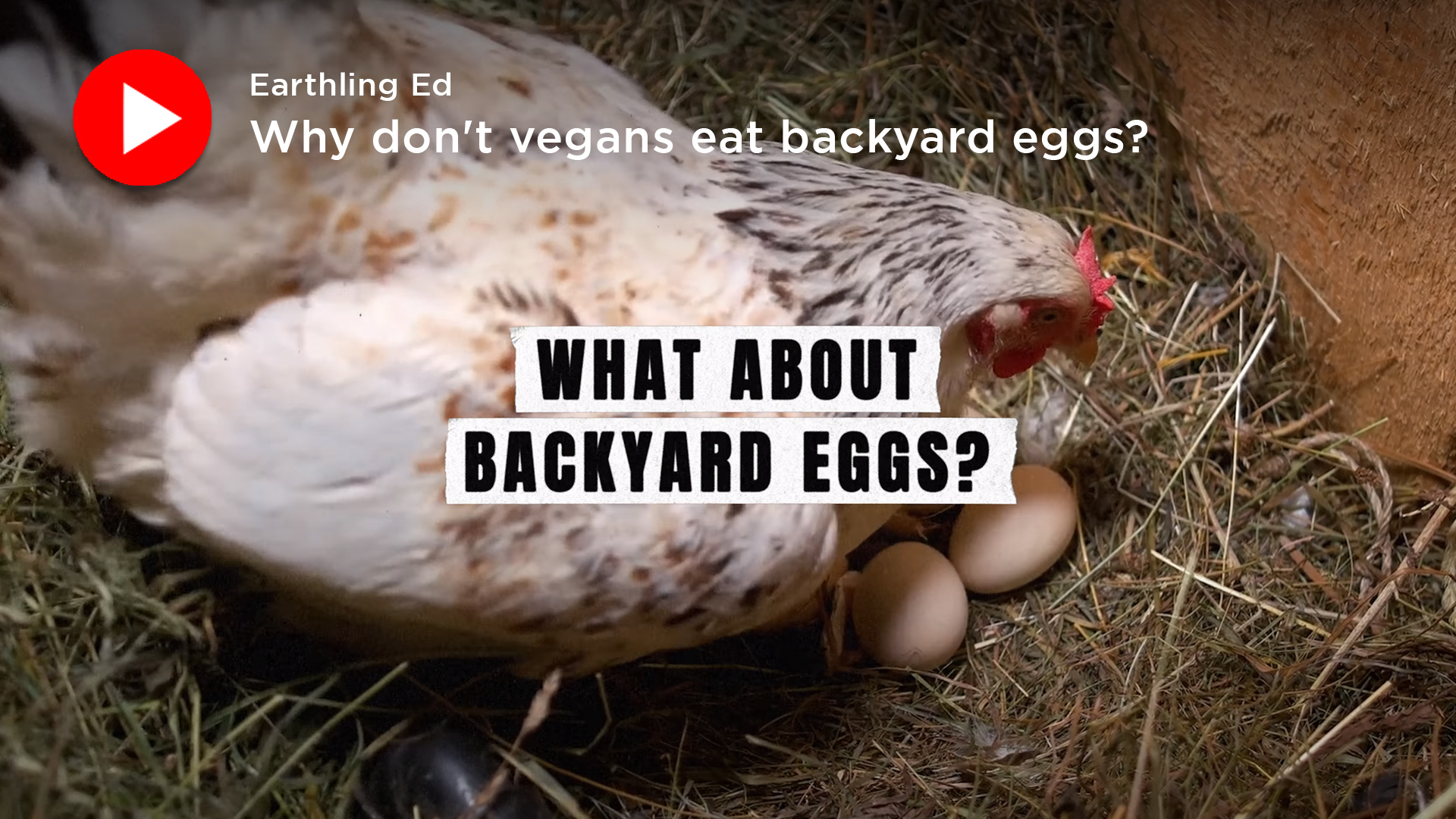
WATCH: What about backyard eggs? Earthling Ed eloquently explains in this video why vegans don’t consume backyard eggs.
Try These Delicious Egg-Free Recipes
Put your new knowledge into action with these delicious egg-free favourites:

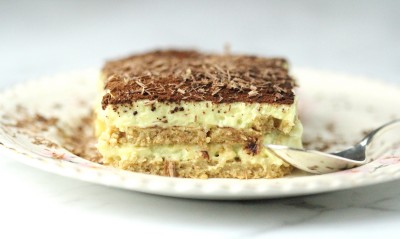
Tiramisu
Aquafaba (chickpea brine) replaces egg whites in this revision of the Italian classic dessert. Recipe by Nadia Fragnito of The Vegan Italian Kitchen.
See the Recipe
FAQs
What is the best vegan egg substitute for baking cakes?
For light, fluffy cakes, the best substitute is a combination of 1 teaspoon of baking soda and 1 tablespoon of apple cider vinegar, or aquafaba (chickpea brine). If your cake is meant to be dense and moist (like a carrot cake or banana bread), applesauce or a flax egg works well.
What can I use to bind vegan burgers or meatballs?
A flax egg (1 tablespoon of ground flaxseed mixed with 3 tablespoons of water) is the best natural binder for savoury patties and vegan meatballs. Alternatively, you can use mashed potatoes, breadcrumbs, tomato paste, or instant rolled oats to bind your ingredients together.
How do I make tofu taste like real scrambled eggs?
The secret ingredient to making scrambled tofu taste like eggs is Kala Namak (black salt). This mineral-rich salt contains natural sulfur, which provides a distinct egg-like aroma and flavour. Simply crumble firm tofu into a pan, sauté with turmeric (for a yellow colour) and nutritional yeast, and stir in a pinch of black salt right at the end of cooking.