Why Vegan
Veganism is a way of living that seeks to avoid all forms of animal exploitation and abuse, whether for food, clothing, cosmetics or for any other purpose. While veganism is based on the overriding moral principle that animal exploitation is wrong, it also has well established benefits for human health and our environment.
1 Animals deserve equality too.
Just as we reject racism, sexism and other prejudices, we also reject speciesism. No sentient individual should ever be denied basic rights to life and liberty because of their race, gender, age, ability, sexual orientation or species membership.
2 Being kind to all animals means being a kind person.
Unimaginable numbers of animals are raised and/or killed every year to feed humans. Over 80 billion land animals and over a trillion ocean animals are killed yearly so that we can eat them or use products derived from them. None of these animals need to die, and we can live happy healthy lives as vegans. Watch this video to find out more about the horrors of the slaughterhouse:
3 We only have one home.
Animal agriculture is a leading cause of global warming, water usage, oceanic dead zones, land clearing, species extinction, suffering and death. Learn more about how animal agriculture is one of the biggest threats to our planet.
4 You deserve a healthier you.
The Academy of Nutrition and Dietetics, which is the world’s largest organisation of food and nutrition professionals, states that “appropriately planned vegetarian, including vegan, diets are healthful, nutritionally adequate and may provide health benefits for the prevention and treatment of certain diseases. These diets are appropriate for all stages of the life cycle, including pregnancy, lactation, infancy, childhood, adolescence, older adulthood and for athletes. Plant-based diets are more environmentally sustainable than diets rich in animal products because they use fewer natural resources and are associated with much less environmental damage. Vegetarians and vegans are at reduced risk of certain health conditions, including ischemic heart disease, type 2 diabetes, hypertension, certain types of cancer, and obesity.”
5 Wearing someone else’s skin is just… creepy.
Whether from a cow or a dog (it’s often impossible to tell), animals in the skin trade suffer horrendously. More than a billion animals are flayed each year so that humans can wear or use their skin. This includes babies like bobby calves who are killed because they are useless to the dairy industry, and animals as diverse as crocodiles, horses and kangaroos.

6 You are NOT stranded on a deserted island.
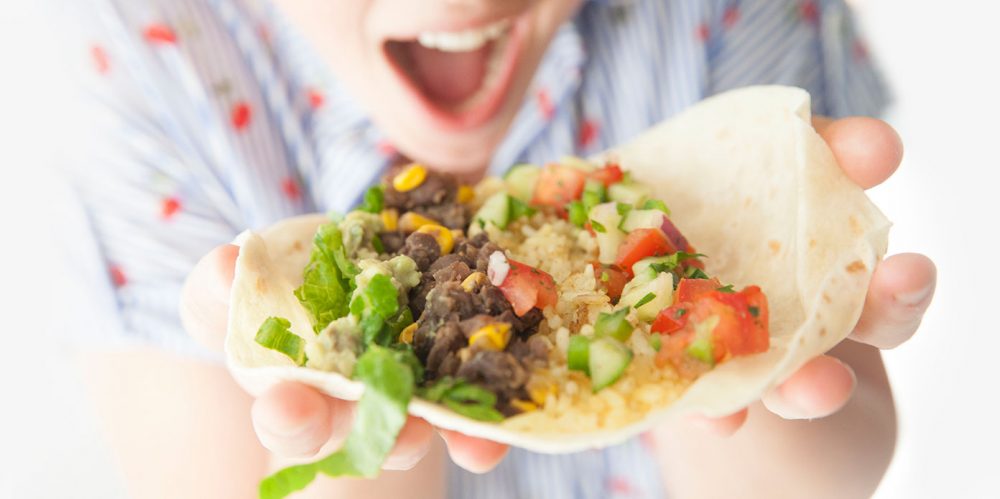
Despite what some people may think, you don’t live on a deserted island with eating animals or starvation as your only options. Veganism is abundantly full of delicious choices! Check out our Recipe Page and our Eating Out Guide for some inspiration.

7 Because they also don’t like getting soap in their eyes
Animal testing and vivisection is a cruel and unethical practice. Rabbits, mice, rats, dogs, monkeys and cats are, amongst other things, cut up, burnt, electrocuted and poisoned in order to test products or scientific theories. Often this leads to inaccurate results and is far less reliable, as well as being much more costly, than the alternative methods.
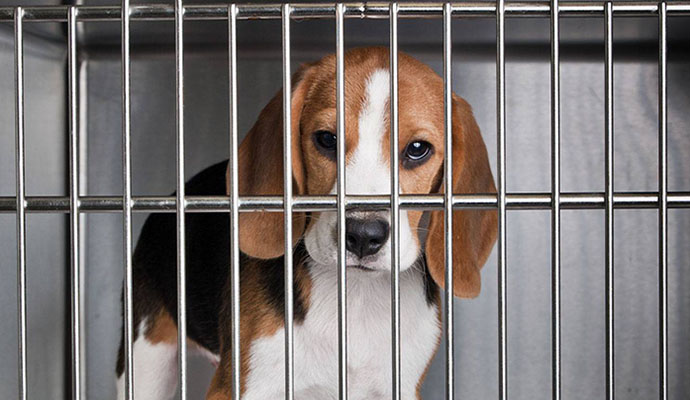
“I was purposely killing him slowly and painfully, yet he was so very happy to see me.” – Michael Slusher, Confessions of a Vivisectionist
8 Because you are not a baby cow
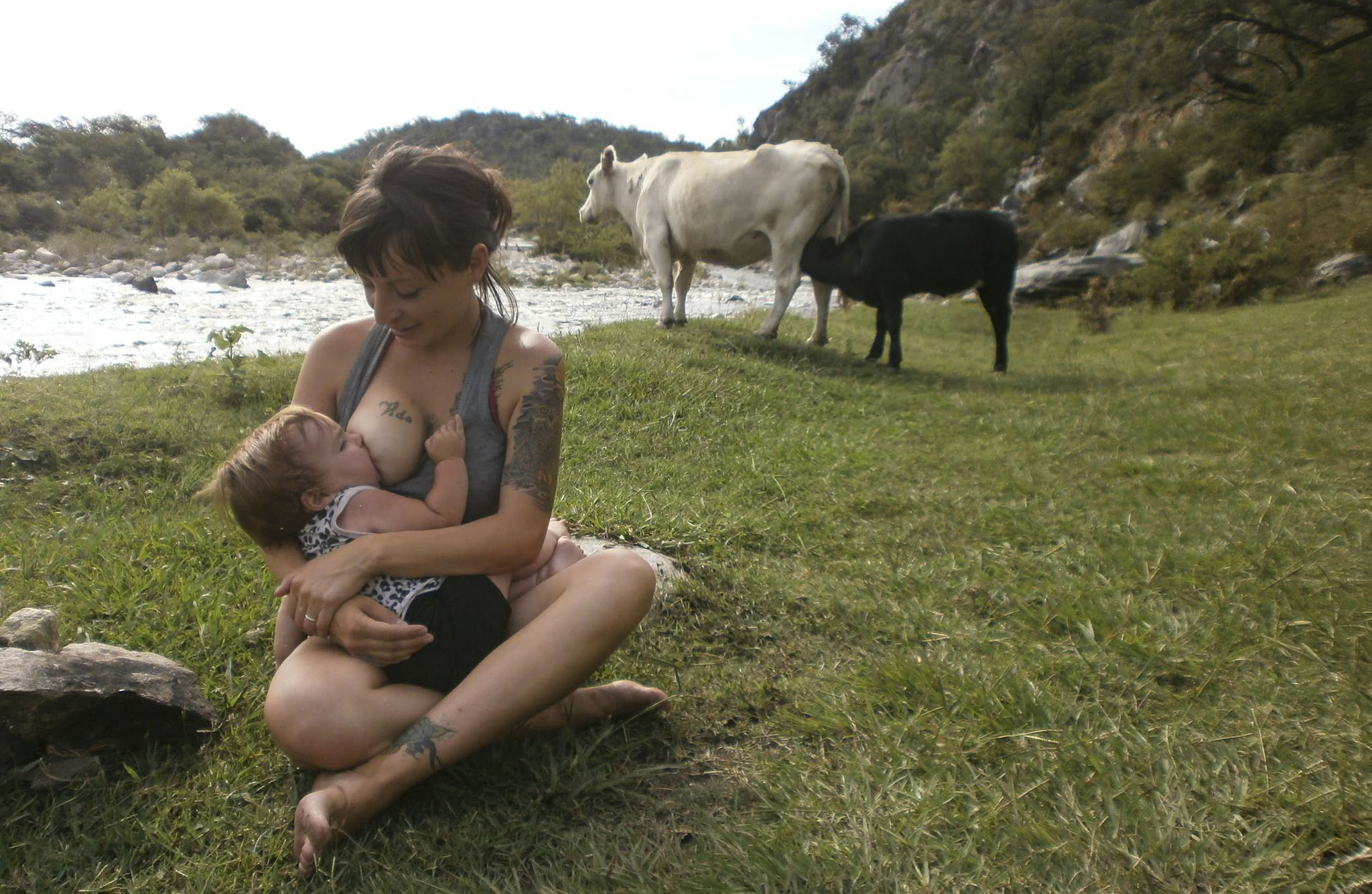
The dairy industry encourages us to believe that cows naturally produce milk for human consumption. In reality, cows lactate to feed their own babies. Babies that are torn from their mothers within a day of birth so that humans can drink the milk meant for them. These babies are either slaughtered – around half a million each year in Australia – or forced into the same cruel cycle as their mothers. Find out more here: cowtruth.com
9 There is no sunny side up
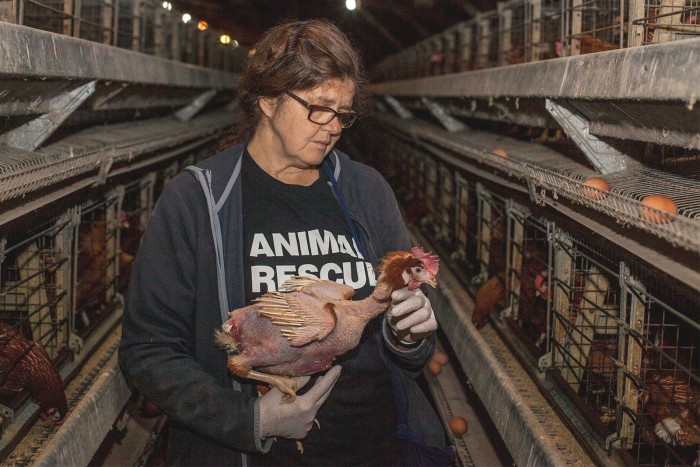
Males of the egg industry are considered waste; their tiny bodies are usually ground up alive or thrown in the trash and left to suffocate, while the females are farmed ruthlessly for their eggs. Many develop severe health problems such as peritonitis, tumors, egg binding, uterine prolapse, depositing of an egg osteoporosis, bone fractures and occasionally skeletal paralysis. At 2 years of age they will be sent to slaughter.
10 There is no such thing as humane murder
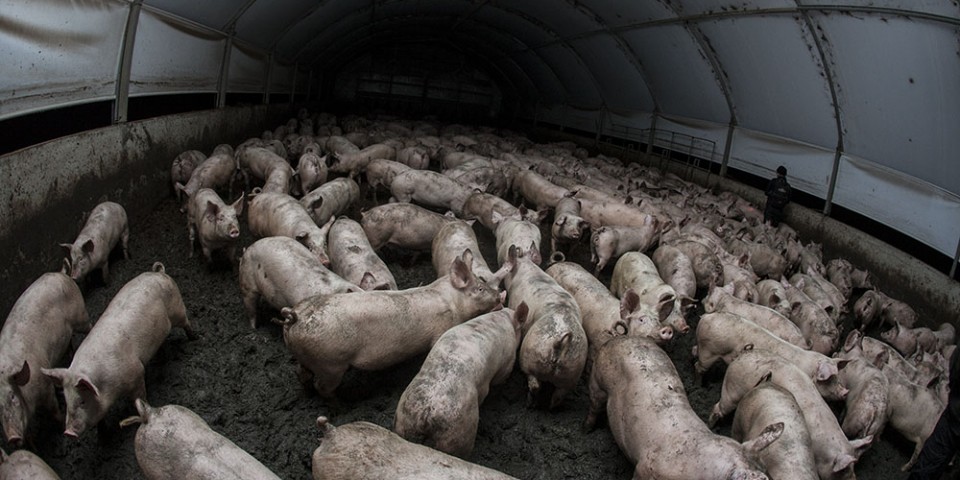
There is no right way to kill someone who wants to live. Free range animal ‘products’ have been gaining popularity as the public become more aware of conditions inside what are typically understood as ‘factory farms’. However, repeated investigations at free range facilities have revealed horrific conditions. Animals raised on ‘free range’ farms also still face the horrors of the slaughterhouse. Read about some of the free range fraud investigations at FreeRangeFraud.org.
. . .
Further Reading
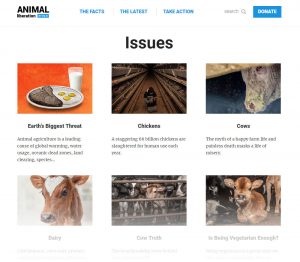
If you’d like to know more about specific animal industries and how they exploit animals and negatively affect the environment and human well being, visit Animal Liberation Victoria’s Issues page.