Supplements for Vegan Children
Remember to always feed your child a healthy and balanced vegan diet which is age appropriate.
“Vegan diets can meet nutrient needs throughout the lifecycle, including in pregnancy, infancy and childhood. A little attention to certain nutrients is important during times of growth, but that’s true whether families eat meat or not.”
Virginia Messina, MPH, RD, The Vegan RD,
Here is an approximate guide as to what doseage, what supplements and at what age your child requires them.
| Age | Vitamin B12 Daily (micrograms of cyanocobalamin) | Or Vitamin B12 taken twice per week (micrograms of cyanocobalamin) | Vitamin D IUs | DHA + EPA (milligrams) |
| 1-3 years | 10-40 | 375 | 600 | 200 |
| 4-8 years | 15-50 | 500 | 600 | 200 |
| 9-13 years | 20-75 | 750 | 600 | 300 |
| 14-20 years | 25-100 | 1000 | 600 | 300 |
Remember to always feed your child a healthy and balanced vegan diet which is age appropriate. If you have any concerns about your child’s health please consult a medical professional who is trained in nutrition.
Nutrition table by Ginny Kisch Messina, MPH, RD. For further information on vegan diets for kids please contact Ginny at www.theveganrd.com
Recent Articles
-
Tips for vegans with non-vegan parents
One of the challenges we face when transitioning to living as a vegan is navigating the relationships with those we hold close. Unfortunately just because our family loves us, doesn’t necessarily mean that they are going to make the same connections that we have made between the food we eat and the animals that we care about. Sadly, they may never become vegans themselves.
-

Vegan At School… (Teen Edition)
It is important to keep supporting your teenager throughout their high school years, now that they are becoming more independent they can start advocating for veganism themselves.
-

Vegan At School… (Primary Edition)
There are a few important things you can do to help your vegan child begin their kindergarten or primary school years stress free.
-
Talking About the Reality of Being Vegan: The Easy Way
Speak to children about veganism and animal rights with the view that their perspective will be to become empowered to create positive change.
-

When your child says they are going… VEGAN!
Don’t panic.
-
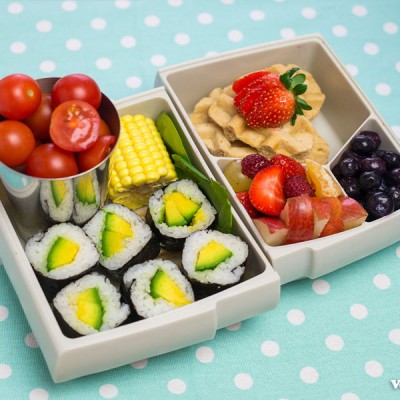
The Vegan Lunch Box
Are you looking to include kinder choices in your children's lunchboxes, but unsure how to make it work for school? Need some tips and tricks to get you started? We have the solution, and it’s exciting, healthy and quick (no lies!).
Leave a Comment